Tocopherol
Tocopherol, also known as Vitamin E, is the major fat-soluble antioxidant found in the skin and encompasses four subtypes: alpha, beta, gamma, and delta tocopherol. It is derived from both natural (denoted 'd-') and synthetic (denoted 'dl-') sources, with the natural form shown to be more active and better absorbed. In cosmetic formulations, it functions as an antioxidant, skin-conditioning agent, and masking ingredient. It is considered easy to formulate, stable, and relatively inexpensive.
Tocopherol protects skin cells from free-radical damage, helping to preserve collagen integrity. It provides notable photoprotection primarily against UVB rays, reducing sunburn cell production and inhibiting photocarcinogenesis. When combined with Vitamin C (especially at ~15%), the two work synergistically to provide broad-spectrum photoprotection with doubled effectiveness.
Comedogenicity is rated 0–3 (variable). Tocopherol should not be applied to surgical scars for wound healing purposes — multiple studies have failed to demonstrate benefit and some showed worsened outcomes. It does not protect against UVA-caused skin issues such as sagging when used alone.





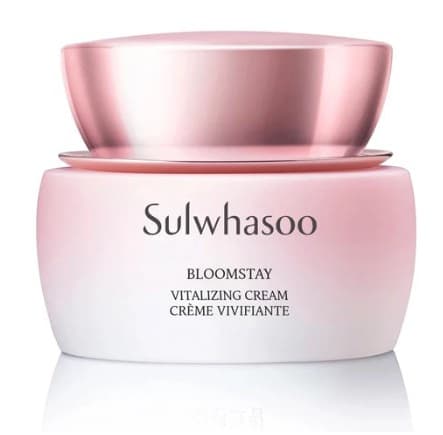
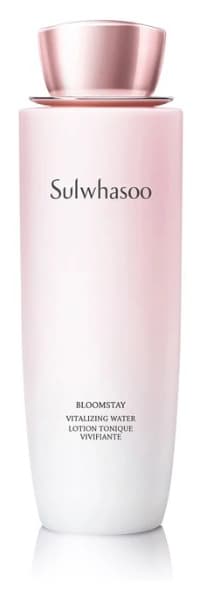

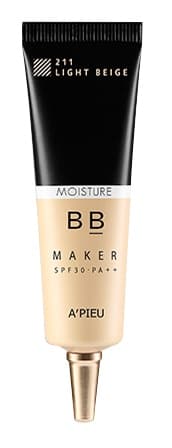


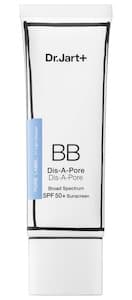
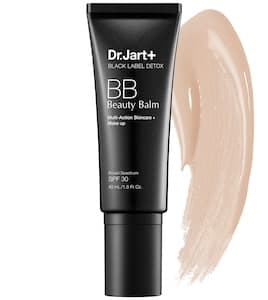
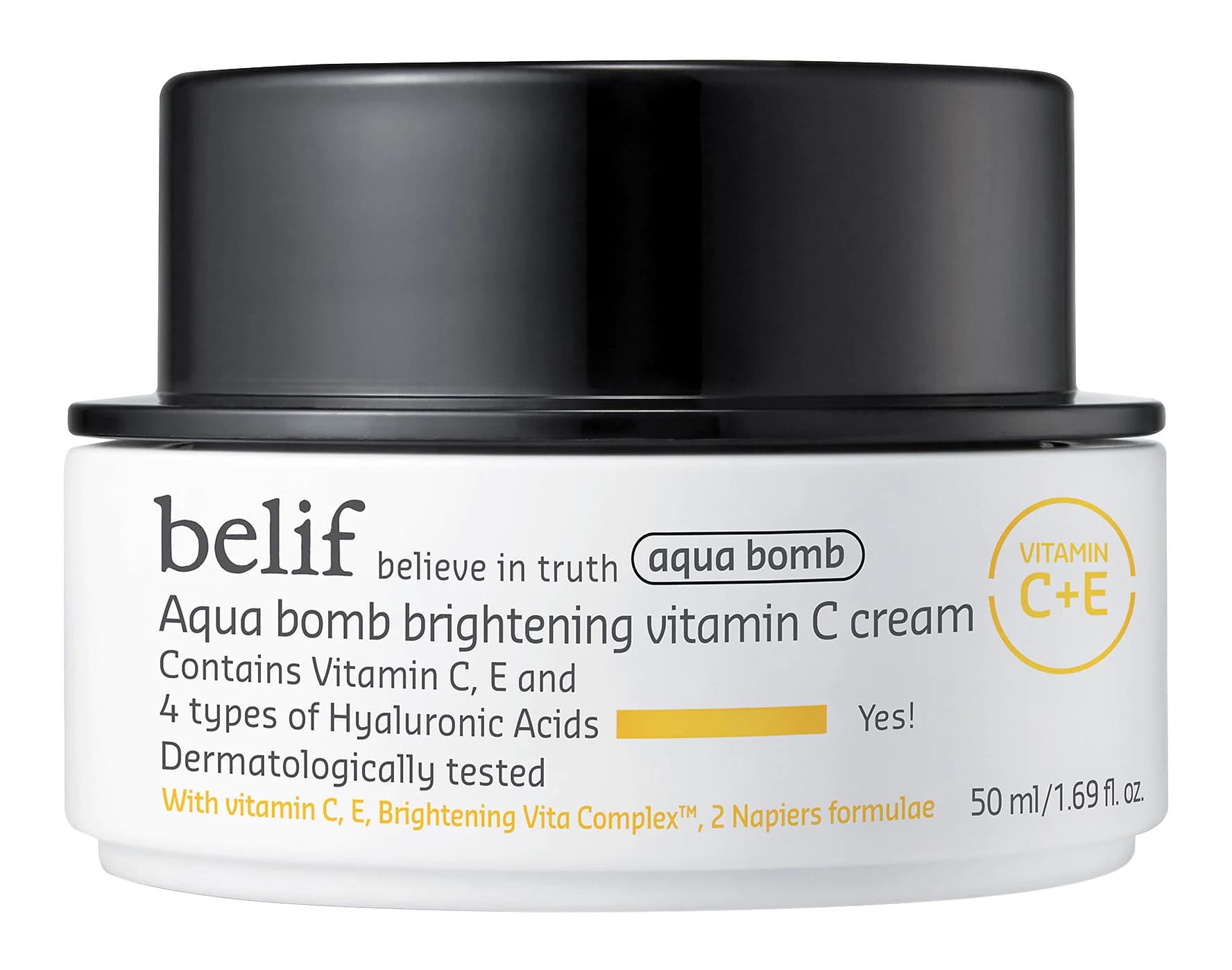
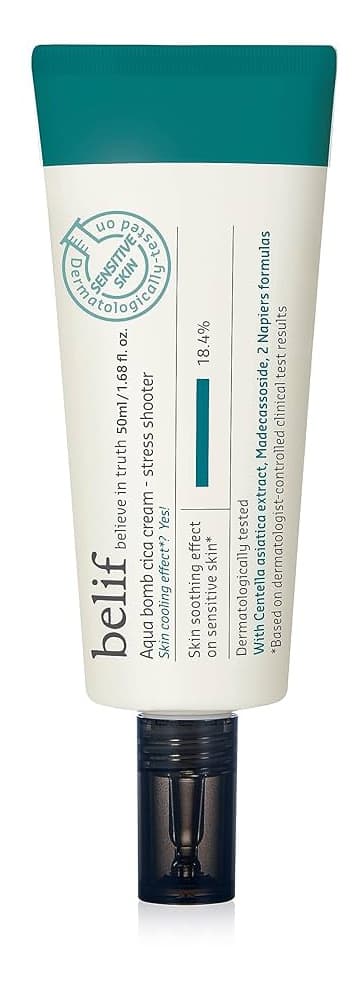
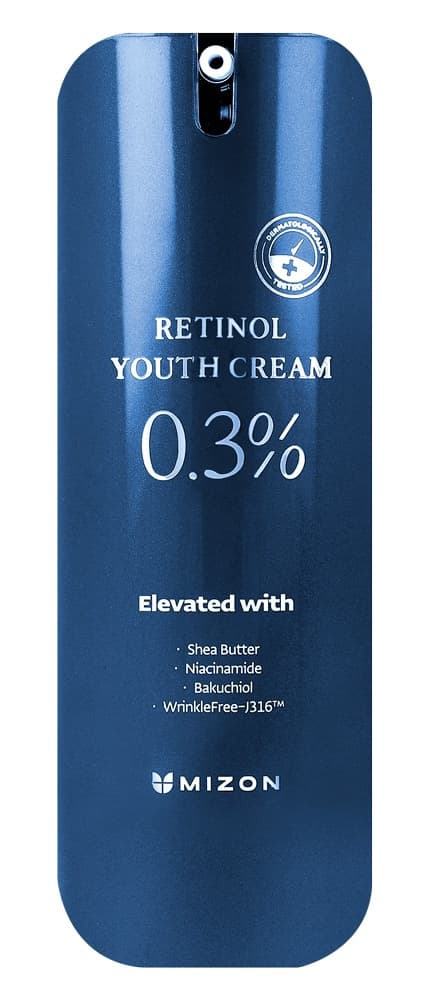
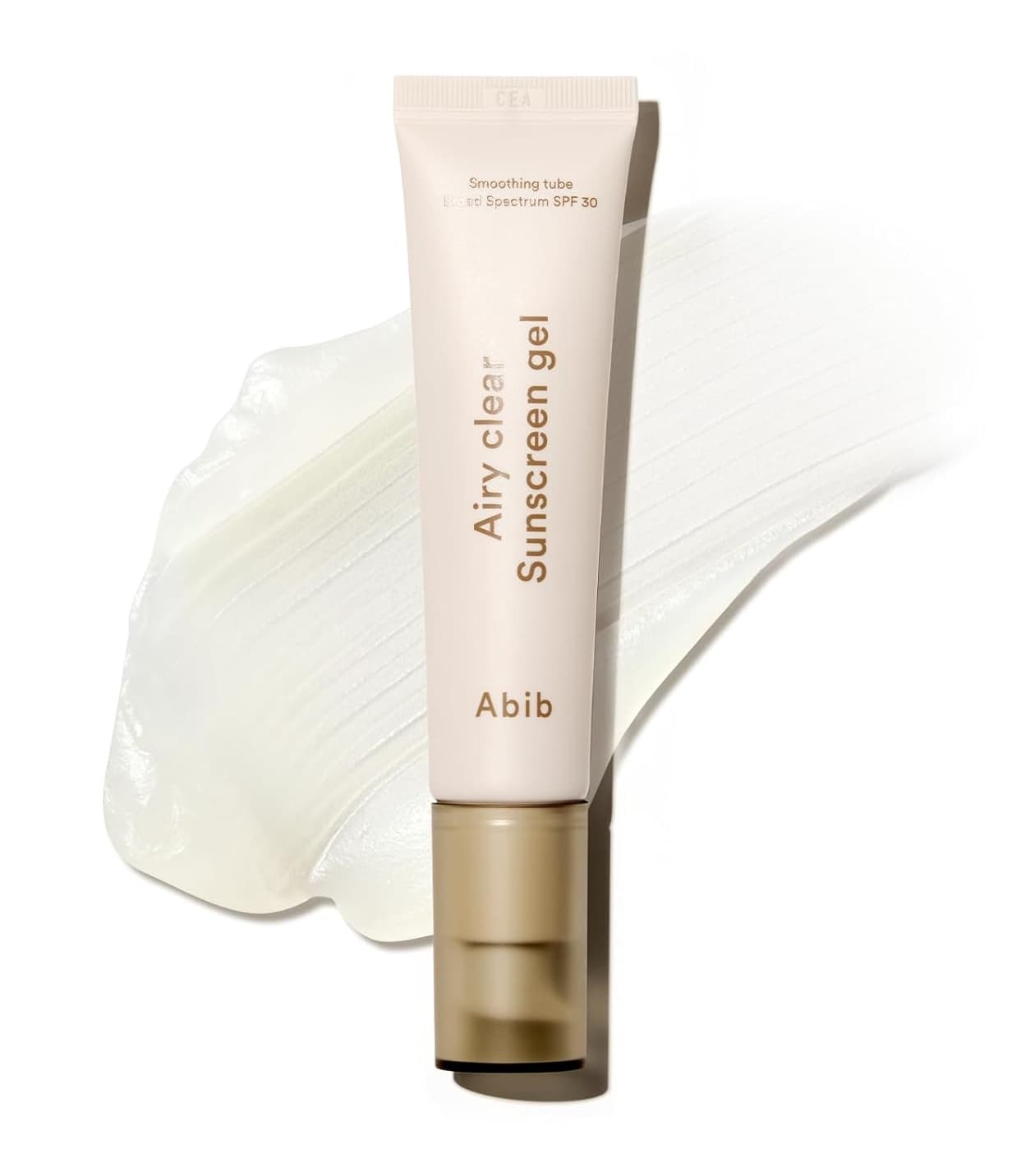
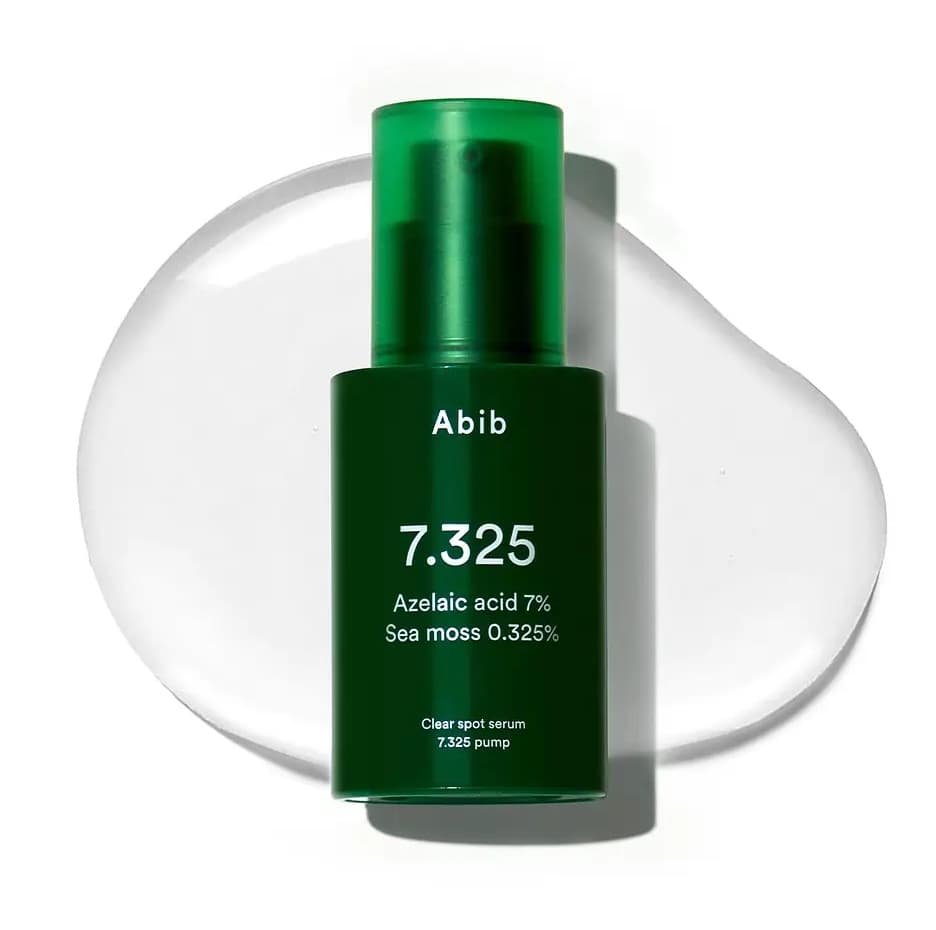


![MEDICUBE [GIFT] PDRN Pink Collagen Bubble Serum](/_next/image?url=https%3A%2F%2Fcdn.shopify.com%2Fs%2Ffiles%2F1%2F0156%2F3905%2F2336%2Ffiles%2FPDRN_00_303f5926-2524-4b0f-8ba4-7857fb459697.jpg%3Fv%3D1765522697&w=3840&q=75)
![MEDICUBE [Subscr.] Hyaluronic Ceramide Moisturizing Jelly Cream](/_next/image?url=https%3A%2F%2Fcdn.shopify.com%2Fs%2Ffiles%2F1%2F0156%2F3905%2F2336%2Ffiles%2F00_7c18b37e-aded-46bf-84a6-4a9b876fa723.jpg%3Fv%3D1765523053&w=3840&q=75)
![MEDICUBE [Subscr.] No Cast Just Glow Collagen Sunscreen](/_next/image?url=https%3A%2F%2Fcdn.shopify.com%2Fs%2Ffiles%2F1%2F0156%2F3905%2F2336%2Ffiles%2F00_7aac52d6-9c6f-475a-9b0f-58750c5b0773.jpg%3Fv%3D1763964084&w=3840&q=75)
![MEDICUBE [Subscr.] Salmon PDRN Pink Collagen Jelly Gel Mask](/_next/image?url=https%3A%2F%2Fcdn.shopify.com%2Fs%2Ffiles%2F1%2F0156%2F3905%2F2336%2Ffiles%2FPDRN_-4__2.jpg%3Fv%3D1767340292&w=3840&q=75)


![MEDICUBE [Subscr.] Collagen Night Wrapping Mask](/_next/image?url=https%3A%2F%2Fcdn.shopify.com%2Fs%2Ffiles%2F1%2F0156%2F3905%2F2336%2Ffiles%2F00_48695039-9a99-45c0-a16e-0cb181b292cf.jpg%3Fv%3D1765242748&w=3840&q=75)
![MEDICUBE [Subscr.] Deep Vita C Capsule Cream](/_next/image?url=https%3A%2F%2Fcdn.shopify.com%2Fs%2Ffiles%2F1%2F0156%2F3905%2F2336%2Ffiles%2Fc096afcff419378df8afcb96182a4365.jpg%3Fv%3D1768373336&w=3840&q=75)
![MEDICUBE [Subscr.] Collagen Glow Booster Milk Serum](/_next/image?url=https%3A%2F%2Fcdn.shopify.com%2Fs%2Ffiles%2F1%2F0156%2F3905%2F2336%2Ffiles%2F01_1e763a9e-87ca-443a-9812-81ef5b224036.jpg%3Fv%3D1713434067&w=3840&q=75)
![MEDICUBE [Subscr.] Collagen Niacinamide Jelly Cream](/_next/image?url=https%3A%2F%2Fcdn.shopify.com%2Fs%2Ffiles%2F1%2F0156%2F3905%2F2336%2Ffiles%2F00_a9b14741-17a3-41e8-9f39-f5754eaf3fe8.jpg%3Fv%3D1766563811&w=3840&q=75)

![MEDICUBE [Subscr.] Deep Vita C Daily Quick Masks](/_next/image?url=https%3A%2F%2Fcdn.shopify.com%2Fs%2Ffiles%2F1%2F0156%2F3905%2F2336%2Ffiles%2F01_46197cfe-d1d1-4610-8c40-45d7eff2bf7d.jpg%3Fv%3D1712556285&w=3840&q=75)
![MEDICUBE [Subscr.] Zero Pore Blackhead Mud Mask](/_next/image?url=https%3A%2F%2Fcdn.shopify.com%2Fs%2Ffiles%2F1%2F0156%2F3905%2F2336%2Ffiles%2F00_2ddf4c5b-f021-4196-a560-5f52d5c59b89.jpg%3Fv%3D1766555245&w=3840&q=75)

![MEDICUBE [Subscr.] Red Succinic Acid Panthenol Pads](/_next/image?url=https%3A%2F%2Fcdn.shopify.com%2Fs%2Ffiles%2F1%2F0156%2F3905%2F2336%2Ffiles%2F00_9aeacf44-7018-4fe0-afd1-da1703e0b33d.jpg%3Fv%3D1766722872&w=3840&q=75)
![MEDICUBE [Subscr.] Deep Vita C Pads](/_next/image?url=https%3A%2F%2Fcdn.shopify.com%2Fs%2Ffiles%2F1%2F0156%2F3905%2F2336%2Ffiles%2F00_af47f07a-841c-43cd-a1c5-7c79c501dfd7.jpg%3Fv%3D1765243771&w=3840&q=75)
![MEDICUBE [Subscr.] Deep Reviving Bakuchiol Retinol Serum](/_next/image?url=https%3A%2F%2Fcdn.shopify.com%2Fs%2Ffiles%2F1%2F0156%2F3905%2F2336%2Ffiles%2FMicrosoftTeams-image_1218_f5e2973d-8981-4f7d-b821-e56ca3a68d35.jpg%3Fv%3D1710424225&w=3840&q=75)
![MEDICUBE [Subscr.] Triple Collagen Cream](/_next/image?url=https%3A%2F%2Fcdn.shopify.com%2Fs%2Ffiles%2F1%2F0156%2F3905%2F2336%2Ffiles%2F00_12cf51a0-cf0c-42f3-931c-1cf9f88dd6c8.jpg%3Fv%3D1766552675&w=3840&q=75)

![MEDICUBE [Subscr.] AGE-R Glutathione Glow Serum](/_next/image?url=https%3A%2F%2Fcdn.shopify.com%2Fs%2Ffiles%2F1%2F0156%2F3905%2F2336%2Ffiles%2F20241029_ME_megawari_96222_copy.jpg%3Fv%3D1766995900&w=3840&q=75)


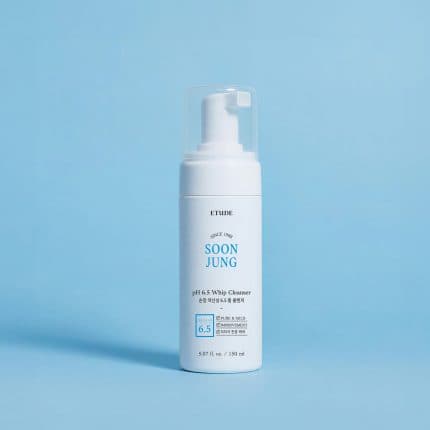
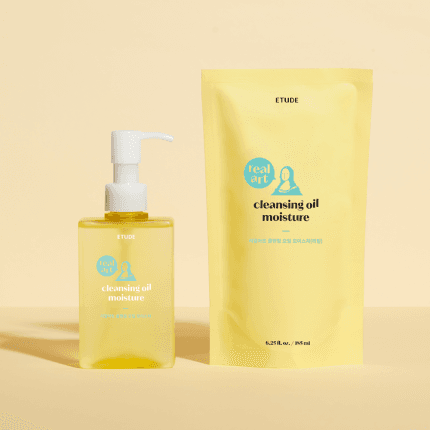
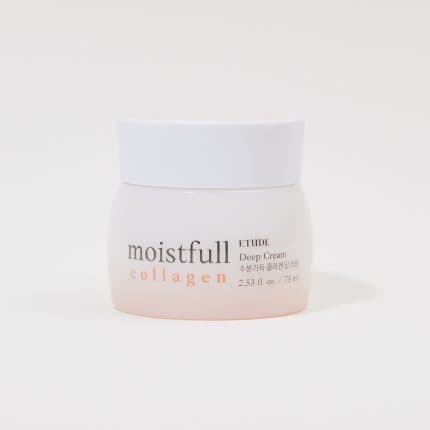
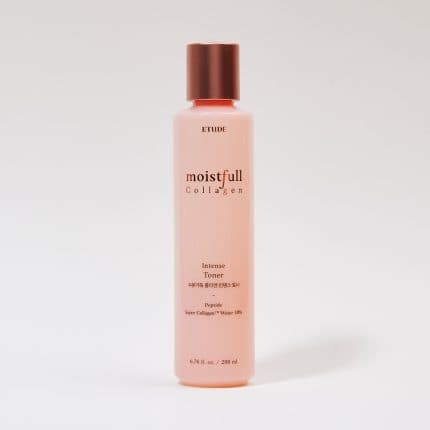
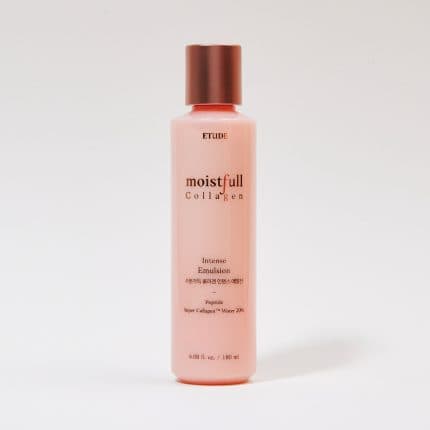
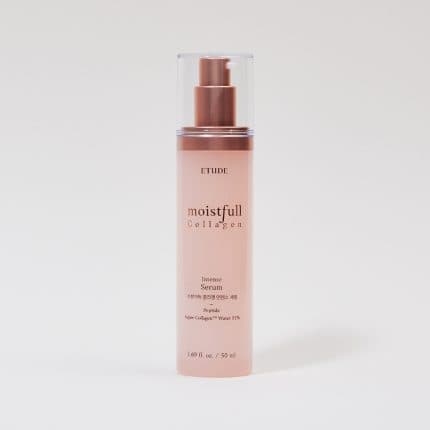
![ETUDE [SET] Moistfull Collagen Skincare Duo](/_next/image?url=https%3A%2F%2Fint.etude.com%2Fwp-content%2Fuploads%2F2022%2F07%2F0204-MOISTFULL_COLLAGEN_SET2KINDS-1-430x430.jpg&w=3840&q=75)
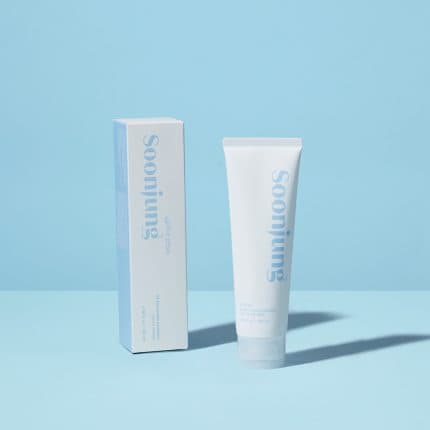
![ETUDE [SET] Soonjung Skincare Duo](/_next/image?url=https%3A%2F%2Fint.etude.com%2Fwp-content%2Fuploads%2F2022%2F07%2F01-3-430x430.jpg&w=3840&q=75)