SH-Oligopeptide-1
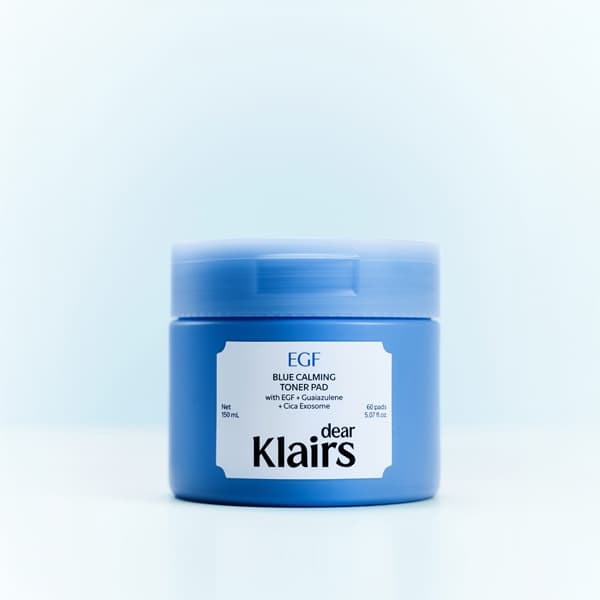
SH-Oligopeptide-1, also known as Epidermal Growth Factor (EGF), is a single-chain recombinant human peptide of up to 53 amino acids, produced by fermentation in E. coli from a gene synthesized to be identical to the human EGF gene. It is a cellular signal molecule that can stimulate cell growth, proliferation, healing, and differentiation. Chemically, it is classified as a medium-length amino acid sequence (largish peptide / smallish protein) that may contain disulfide bonds and/or sugar residues. It is the first and most common growth factor to be incorporated into cosmetic products.
SH-Oligopeptide-1 has well-established wound healing and skin renewal properties. A 2012 clinical study on a serum containing bioengineered EGF showed statistically significant improvement in fine lines, skin texture, pore size, and dyschromatic conditions within the first month of use, with continued improvement over three months. It directly stimulates the proliferation of epidermal cells.
Not recommended for individuals with psoriasis (a condition related to abnormal epidermal cell growth) or those with high skin cancer risk factors (e.g., many moles, excessive UV exposure history), as EGF stimulates cell proliferation and could accelerate the spread of cancerous cells. Penetration may be limited without a specialized delivery system due to its medium size and polar nature. Its efficacy in isolation versus in a conditioned media containing multiple growth factors is also debated.