Retinol
Retinol is pure Vitamin A and a member of the retinoid family (CAS #68-26-8 / 11103-57-4). It is not directly active in the skin; it must be converted through a two-step metabolic process (retinol → retinaldehyde → retinoic acid) before it can interact with retinoid receptors. It is generally considered approximately 10–20 times less potent than retinoic acid (tretinoin) due to the inefficiency of this conversion. Its official CosIng function is listed as skin conditioning.
Retinol is the most proven OTC anti-aging ingredient, shown in multiple clinical studies to reduce wrinkles, improve skin smoothness, firmness, and address signs of photodamage. It normalizes keratinization and may reduce sebum production, making it potentially beneficial for acne-prone skin. Side effects and irritation are significantly milder compared to prescription retinoic acid, particularly at lower concentrations (~0.1%).
Do not use during pregnancy. Can cause irritation, skin flaking, dryness, and redness, especially at higher concentrations (~1%); should be introduced gradually. Effectiveness may vary between individuals due to differences in skin's ability to convert retinol to retinoic acid.


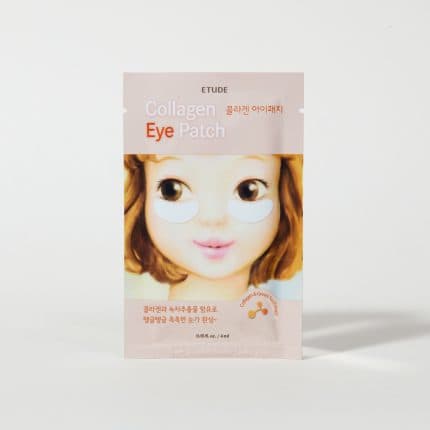

![MEDICUBE [GIFT] PDRN Pink Collagen Bubble Serum](/_next/image?url=https%3A%2F%2Fcdn.shopify.com%2Fs%2Ffiles%2F1%2F0156%2F3905%2F2336%2Ffiles%2FPDRN_00_303f5926-2524-4b0f-8ba4-7857fb459697.jpg%3Fv%3D1765522697&w=3840&q=75)
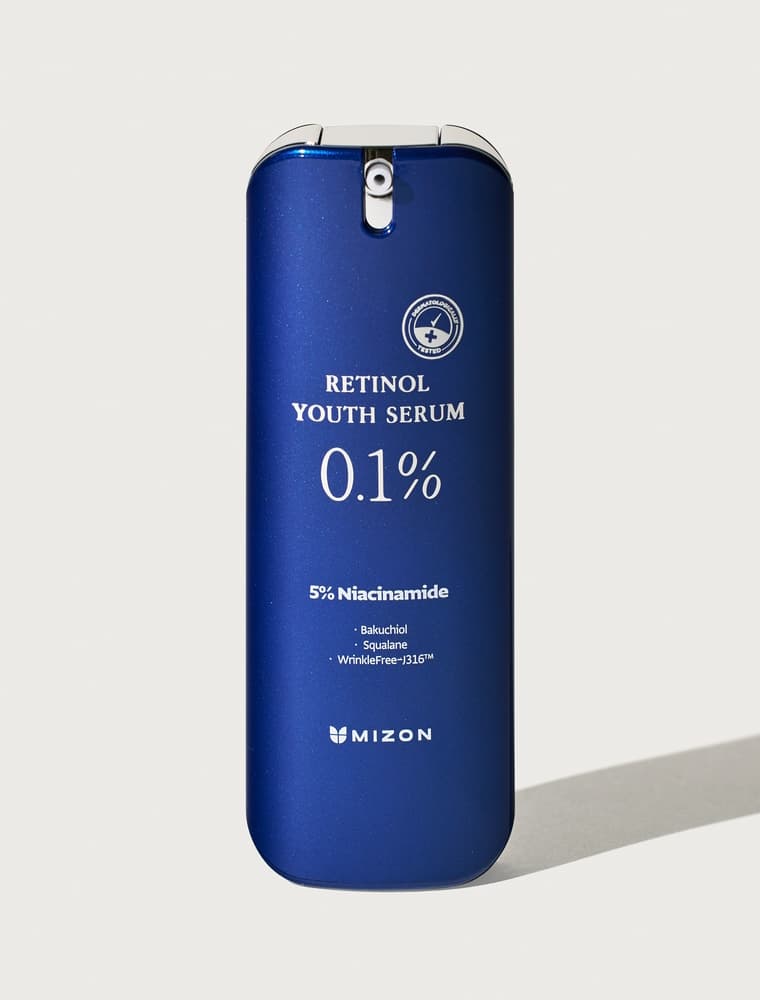
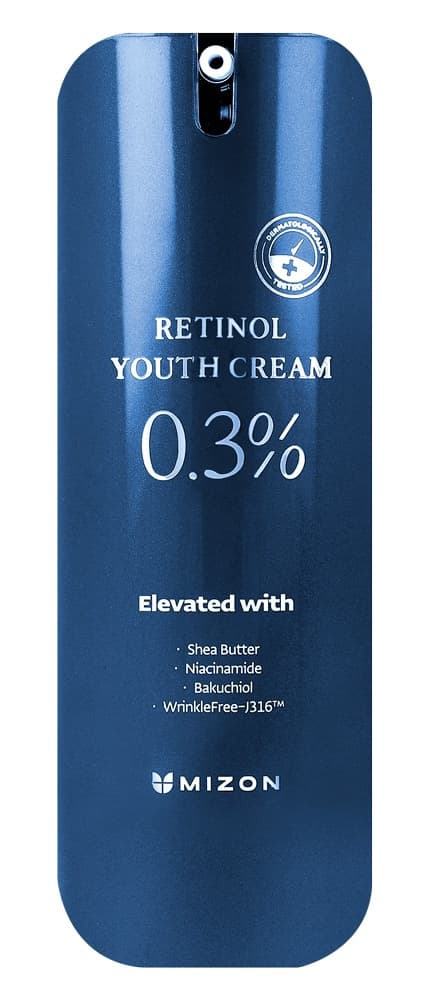


![MEDICUBE [Subscr.] PDRN Pink Collagen Exosome Shot](/_next/image?url=https%3A%2F%2Fcdn.shopify.com%2Fs%2Ffiles%2F1%2F0156%2F3905%2F2336%2Ffiles%2FPDRN2000_00.jpg%3Fv%3D1740729806&w=3840&q=75)
![MEDICUBE [Subscr.] PDRN Pink Peptide Eye Cream](/_next/image?url=https%3A%2F%2Fcdn.shopify.com%2Fs%2Ffiles%2F1%2F0156%2F3905%2F2336%2Ffiles%2FPDRN_0.jpg%3Fv%3D1741762112&w=3840&q=75)
![MEDICUBE [Subscr.] PDRN Pink Collagen Gel Toner Pad](/_next/image?url=https%3A%2F%2Fcdn.shopify.com%2Fs%2Ffiles%2F1%2F0156%2F3905%2F2336%2Ffiles%2FPDRN_00_059e7f2e-0447-4206-9ca8-dbac60cf64f0.jpg%3Fv%3D1747964535&w=3840&q=75)

![MEDICUBE [Subscr.] Deep Vita C Daily Quick Masks](/_next/image?url=https%3A%2F%2Fcdn.shopify.com%2Fs%2Ffiles%2F1%2F0156%2F3905%2F2336%2Ffiles%2F01_46197cfe-d1d1-4610-8c40-45d7eff2bf7d.jpg%3Fv%3D1712556285&w=3840&q=75)

![MEDICUBE [Subscr.] Deep Reviving Bakuchiol Retinol Serum](/_next/image?url=https%3A%2F%2Fcdn.shopify.com%2Fs%2Ffiles%2F1%2F0156%2F3905%2F2336%2Ffiles%2FMicrosoftTeams-image_1218_f5e2973d-8981-4f7d-b821-e56ca3a68d35.jpg%3Fv%3D1710424225&w=3840&q=75)


