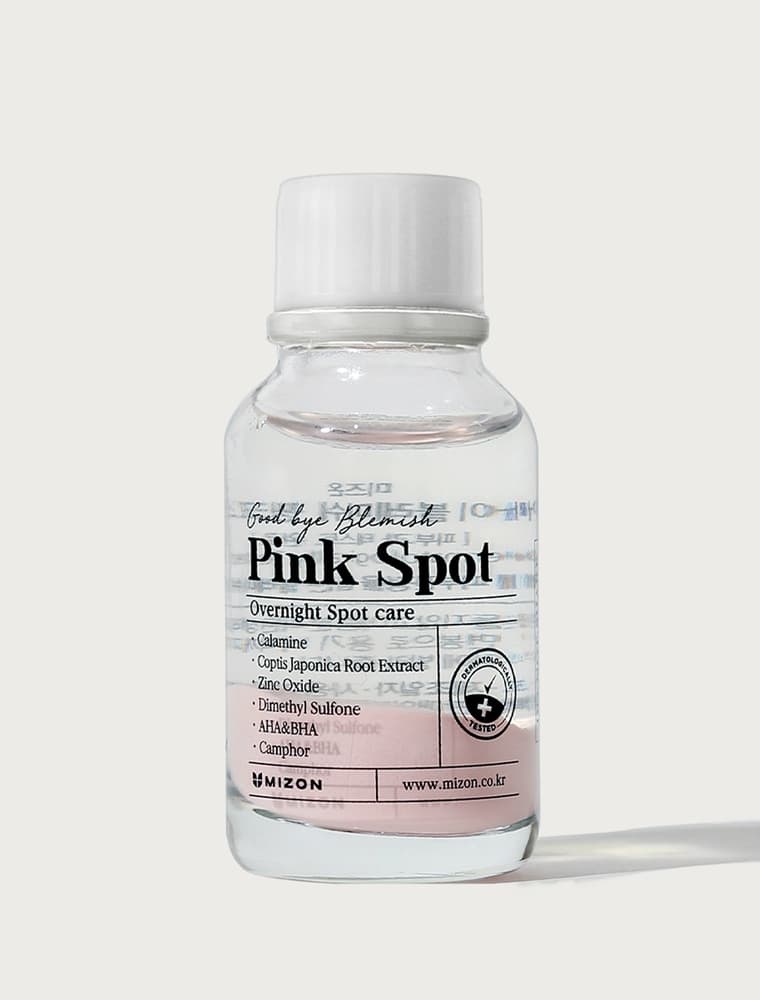
Glycolic Acid
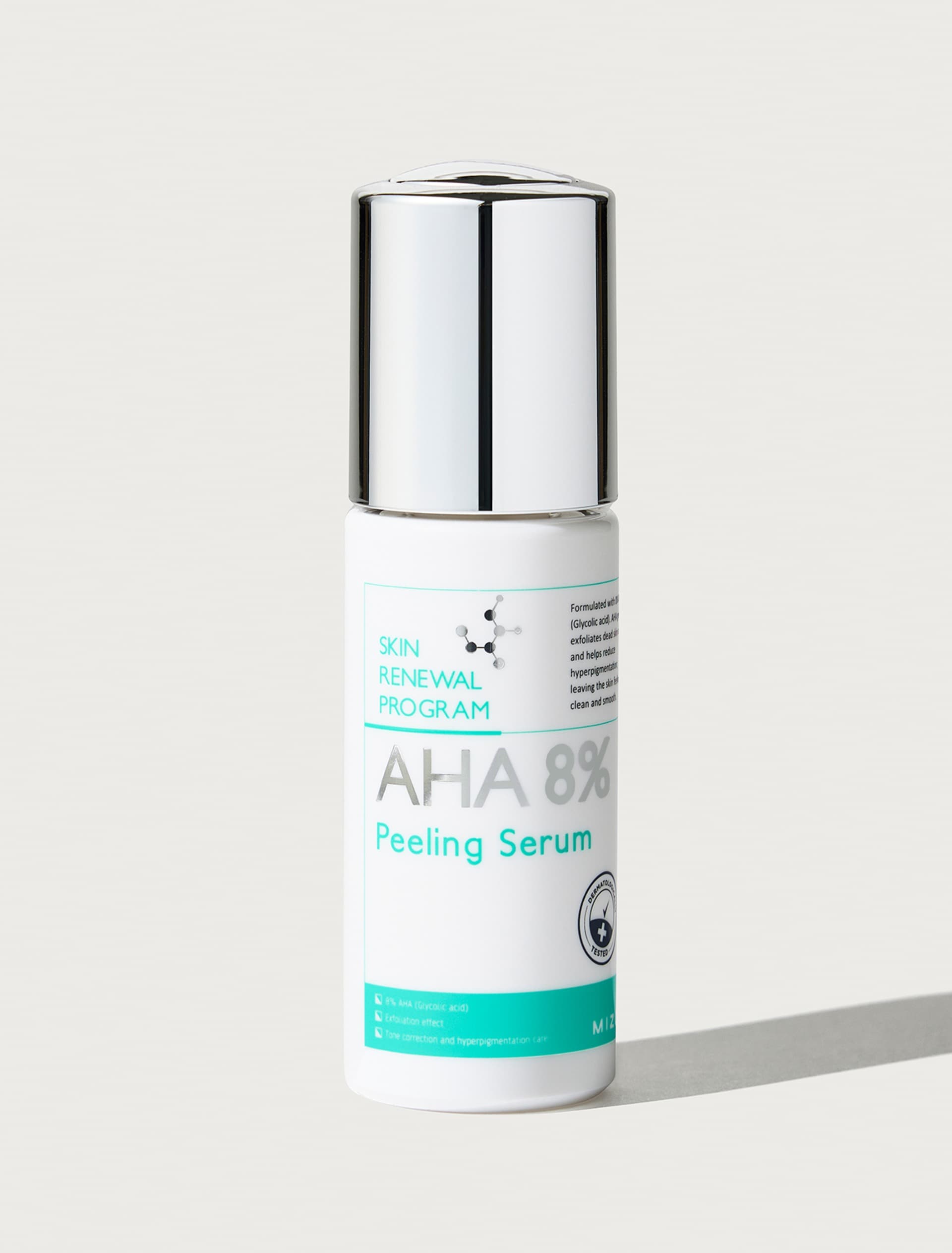
Glycolic acid is an alpha-hydroxy acid (AHA) — the smallest and simplest of the AHA family — with CAS # 79-14-1. It occurs naturally in grapes, sugar cane juice, sugar beet, and Virginia creeper leaves, but the cosmetic-grade version is most often synthetic. Its small molecular size allows it to penetrate deeply into the skin. In formulations, its effectiveness is strongly dependent on both concentration (typically 4–20% for at-home use) and pH (optimal range 3–4).
Glycolic acid gently lifts dead skin cells to reveal fresher, smoother skin and has demonstrated the ability to stimulate collagen synthesis, resulting in firmer-looking skin over time (4–6 months). It can also disperse melanin to help fade brown spots from sun damage and post-inflammatory hyperpigmentation (PIH), and with ongoing use it increases skin thickness and improves overall skin texture.
Increases skin sensitivity to UV radiation — daily sunscreen use is essential. Stronger concentrations (above 10%) may cause stinging, burning, visible peeling, redness, or irritation, especially with overuse. Not recommended for very sensitive or rosacea-prone skin; a BHA or PHA may be more suitable in those cases. Professional-strength peels (above 20%) should only be performed by a dermatologist. Avoid using at pH above 4–5 as efficacy is significantly reduced, and avoid very low pH (below 3) for at-home use due to irritation risk.


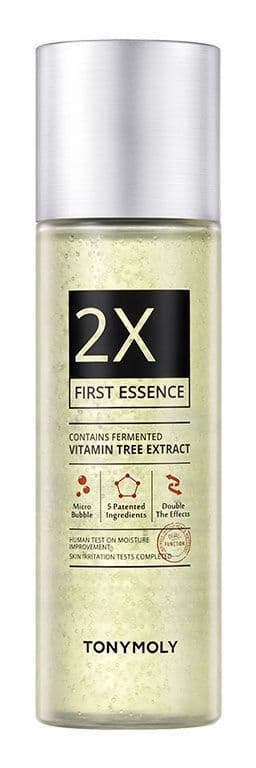
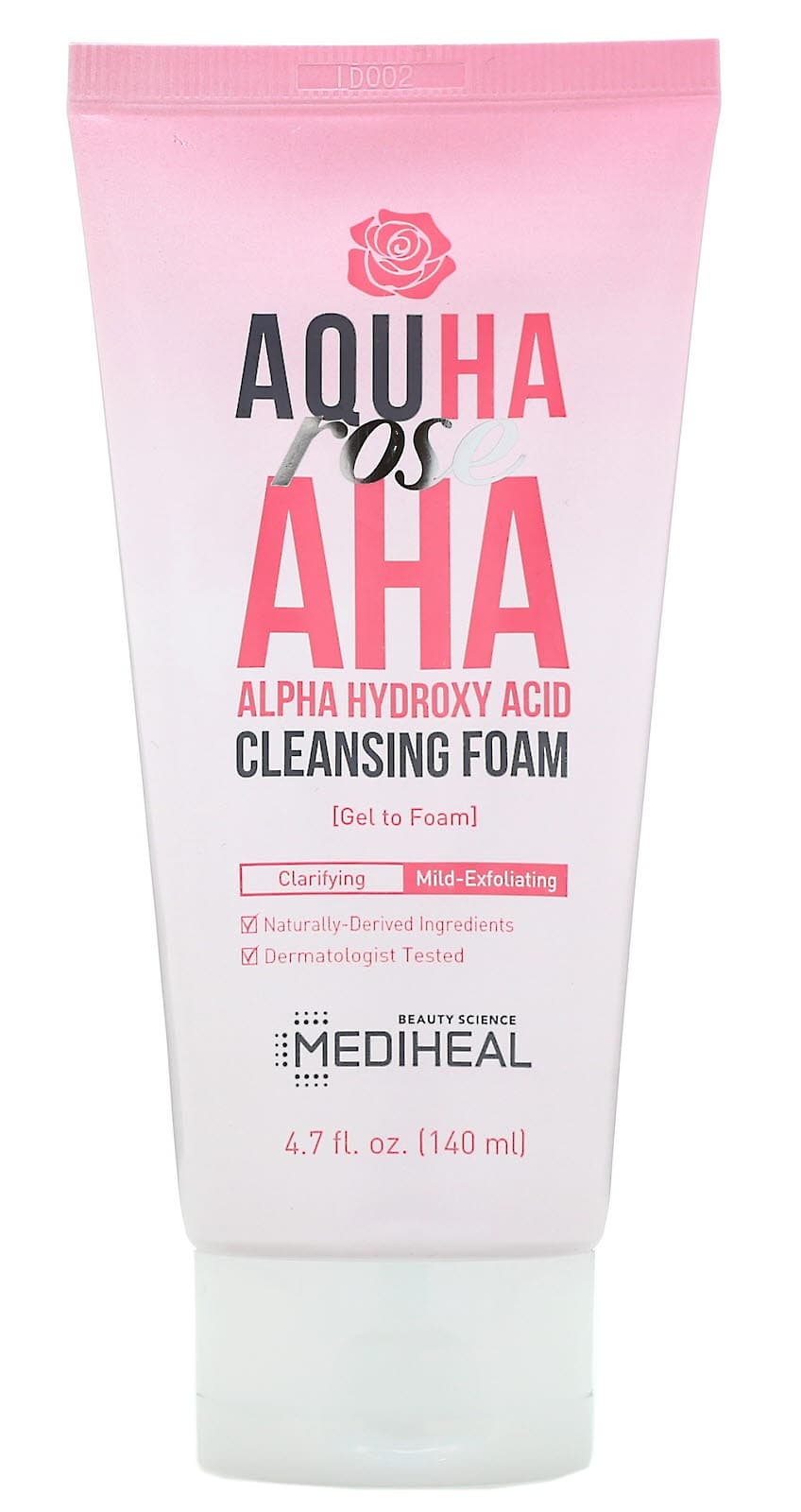
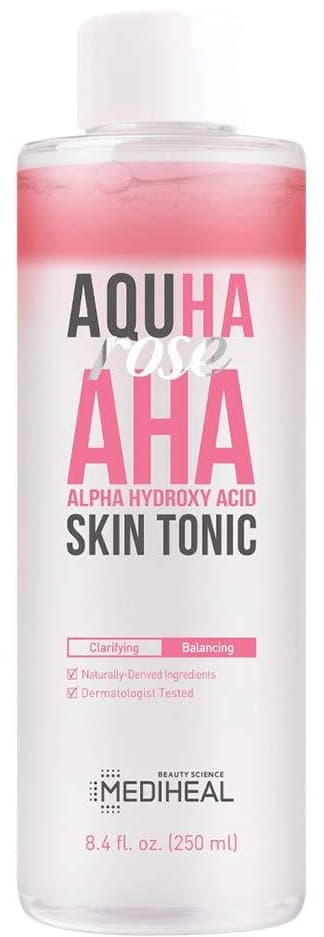
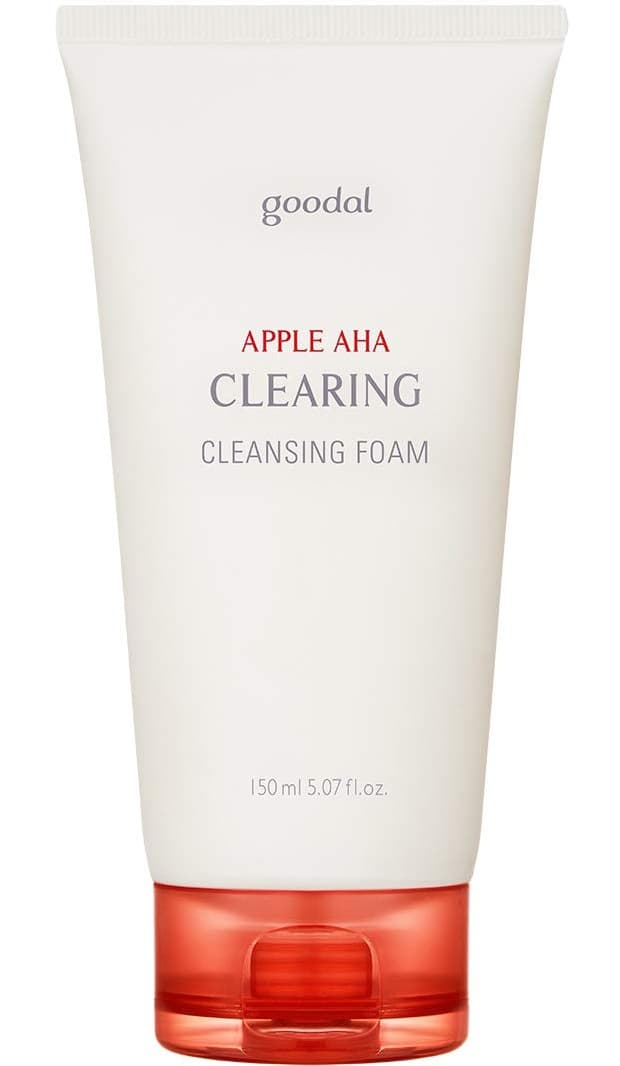
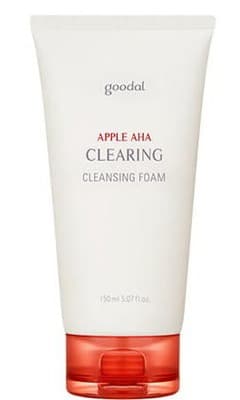
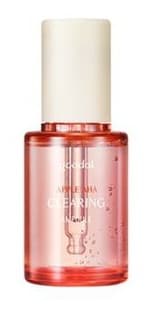


![MEDICUBE [Subscr.] Red Body Peeling Shot Cleanser](/_next/image?url=https%3A%2F%2Fcdn.shopify.com%2Fs%2Ffiles%2F1%2F0156%2F3905%2F2336%2Ffiles%2FRedBodyPeelingShot00.jpg%3Fv%3D1766716614&w=3840&q=75)
![MEDICUBE [Subscr.] Zero Pore Blackhead Mud Mask](/_next/image?url=https%3A%2F%2Fcdn.shopify.com%2Fs%2Ffiles%2F1%2F0156%2F3905%2F2336%2Ffiles%2F00_2ddf4c5b-f021-4196-a560-5f52d5c59b89.jpg%3Fv%3D1766555245&w=3840&q=75)
![MEDICUBE [Subscr.] Red Clear Capsule Body Lotion](/_next/image?url=https%3A%2F%2Fcdn.shopify.com%2Fs%2Ffiles%2F1%2F0156%2F3905%2F2336%2Ffiles%2F01_b8ca9fa0-7fc6-43bd-a0c7-eebc00b6763c.jpg%3Fv%3D1707291176&w=3840&q=75)
![MEDICUBE [Subscr.] Zero Pore One-day Peptide Serum](/_next/image?url=https%3A%2F%2Fcdn.shopify.com%2Fs%2Ffiles%2F1%2F0156%2F3905%2F2336%2Ffiles%2F1_9fb0fd2a-50cb-43d7-a303-2e921b78dee4.png%3Fv%3D1766560327&w=3840&q=75)