Glycerin
Glycerin (also known as glycerol) is a polyhydric alcohol and a skin-identical ingredient naturally found in the outermost layer of the skin (stratum corneum). It is a super common, safe, and inexpensive humectant that has been used in cosmetics for more than 50 years. It functions not only as a moisture-binding agent but also plays roles in osmoregulation, maintenance of intracellular lipids in a healthy liquid crystal state, and normalization of skin shedding.
Glycerin helps the skin retain water by acting as a humectant, with effectiveness starting from as low as 3% and increasing up to concentrations of 20–40%. It supports the skin barrier by maintaining healthy intracellular lipid states and protecting against irritation caused by over-washing or environmental stressors. High-glycerin formulations (25–40%) have been shown in a large-scale study to outperform lower-glycerin moisturizers, providing superior hydration and a lasting moisture-reservoir effect even after discontinuation of use.
Pure or very high concentrations of glycerin (e.g., 99.7%) should not be applied undiluted to skin, as excessive humectant activity may draw water from deeper skin layers and increase trans-epidermal water loss (TEWL), potentially leaving skin drier. Optimal use is in formulated products, ideally around 10% for a balance of efficacy and cosmetic elegance.








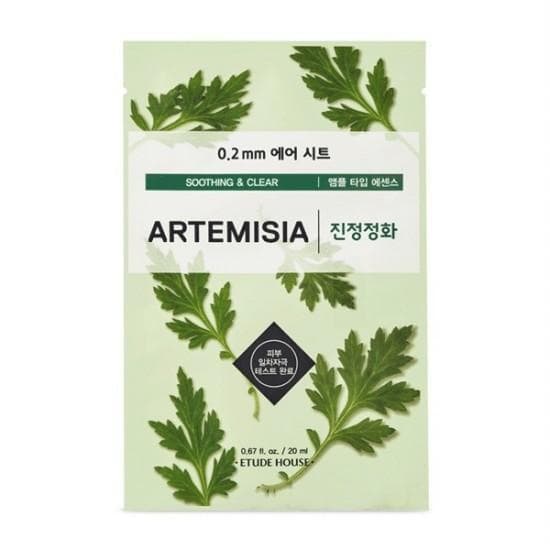
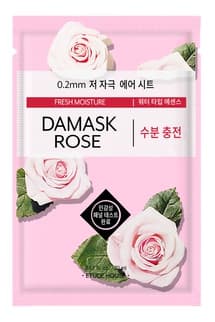
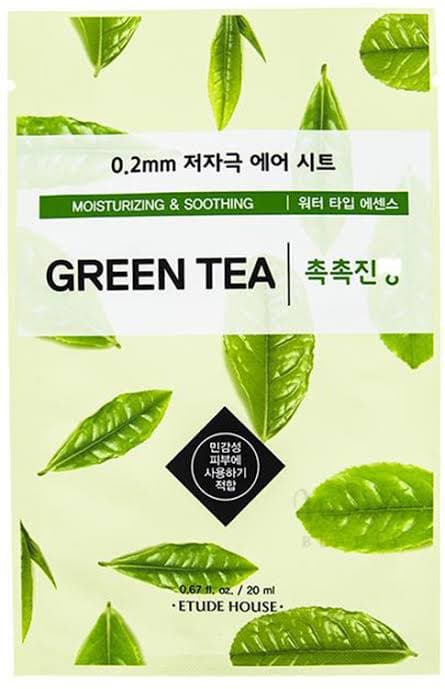
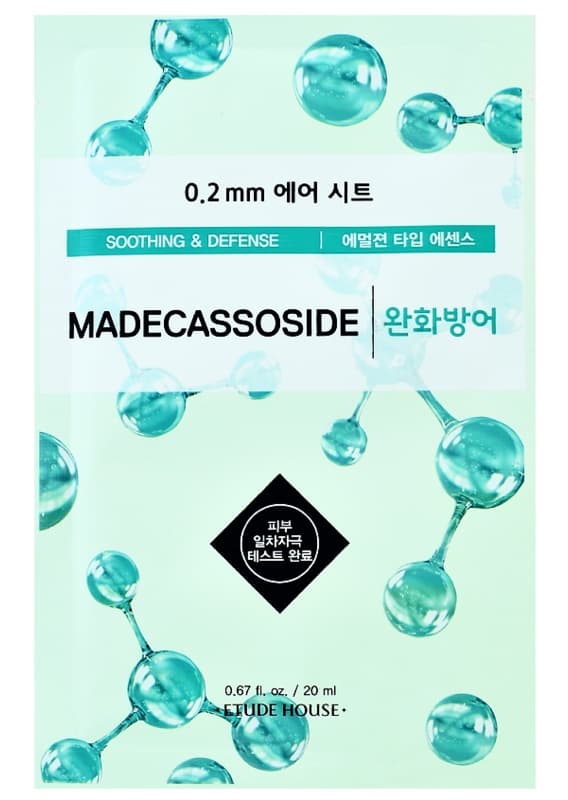


![Round Lab [Limited Edition] Birch Moisturizing Lip Balm + Silicone Brush Set](/_next/image?url=https%3A%2F%2Fcdn.shopify.com%2Fs%2Ffiles%2F1%2F0651%2F7656%2F8022%2Ffiles%2FBirch_Lip_Balm_with_brush_with_box.webp%3Fv%3D1772852599&w=3840&q=75)


![Round Lab [DEAL] Birch Mild-Up Sunscreen UVLock SPF 50+ Broad Spectrum](/_next/image?url=https%3A%2F%2Fcdn.shopify.com%2Fs%2Ffiles%2F1%2F0651%2F7656%2F8022%2Ffiles%2FBirch_Juice_Mild-Up_Sunscreen_UVLock_SPF_50_Broad_Spectrum_Round_Lab_2.png%3Fv%3D1772850750&w=3840&q=75)


![Round Lab Birch Moisturizing Sunscreen UVLock SPF 45+ Broad Spectrum [Subscription]](/_next/image?url=https%3A%2F%2Fcdn.shopify.com%2Fs%2Ffiles%2F1%2F0651%2F7656%2F8022%2Ffiles%2FBIRCH_JUICE_MOISTURIZING_UVLOCK3_Large_10126e46-dfcc-4cd5-970c-146d4be65989.webp%3Fv%3D1772852134&w=3840&q=75)


![Round Lab [DEAL] 1025 Dokdo Cleanser](/_next/image?url=https%3A%2F%2Fcdn.shopify.com%2Fs%2Ffiles%2F1%2F0651%2F7656%2F8022%2Ffiles%2F1025-dokdo-cleanser-round-lab-3_667c8548-20d9-49c1-9035-4beb0ccc90b3.jpg%3Fv%3D1772850409&w=3840&q=75)
![Round Lab [DEAL] 1025 Dokdo Toner](/_next/image?url=https%3A%2F%2Fcdn.shopify.com%2Fs%2Ffiles%2F1%2F0651%2F7656%2F8022%2Ffiles%2F1025-dokdo-toner-round-lab-1_b70f78ac-e80f-4f05-b942-3ff25b4e049e.jpg%3Fv%3D1772850423&w=3840&q=75)
![Round Lab [DEAL] Birch Moisturizing Cleanser](/_next/image?url=https%3A%2F%2Fcdn.shopify.com%2Fs%2Ffiles%2F1%2F0651%2F7656%2F8022%2Ffiles%2Fbirch-moisturizing-cleanser-round-lab-1_4550fd52-3767-47ca-8b35-35aece5869fe.png%3Fv%3D1772850435&w=3840&q=75)


![MEDICUBE [GIFT] PDRN Pink Collagen Bubble Serum](/_next/image?url=https%3A%2F%2Fcdn.shopify.com%2Fs%2Ffiles%2F1%2F0156%2F3905%2F2336%2Ffiles%2FPDRN_00_303f5926-2524-4b0f-8ba4-7857fb459697.jpg%3Fv%3D1765522697&w=3840&q=75)

![MEDICUBE [Subscr.] Hyaluronic Multi Peptide PDRN Serum](/_next/image?url=https%3A%2F%2Fcdn.shopify.com%2Fs%2Ffiles%2F1%2F0156%2F3905%2F2336%2Ffiles%2F00_e22edf18-abb2-4e5e-bef4-41a8b9b85e0e.jpg%3Fv%3D1747811488&w=3840&q=75)
![MEDICUBE [Subscr.] Hyaluronic Acid Capsule Cream](/_next/image?url=https%3A%2F%2Fcdn.shopify.com%2Fs%2Ffiles%2F1%2F0156%2F3905%2F2336%2Ffiles%2Fhyaluronic-capsule_th_00.jpg%3Fv%3D1761727769&w=3840&q=75)
![MEDICUBE [Subscr.] Hyaluronic Ceramide Moisturizing Jelly Cream](/_next/image?url=https%3A%2F%2Fcdn.shopify.com%2Fs%2Ffiles%2F1%2F0156%2F3905%2F2336%2Ffiles%2F00_7c18b37e-aded-46bf-84a6-4a9b876fa723.jpg%3Fv%3D1765523053&w=3840&q=75)
![MEDICUBE [Subscr.] Collagen Milky Glow Daytime Wrapping Mask](/_next/image?url=https%3A%2F%2Fcdn.shopify.com%2Fs%2Ffiles%2F1%2F0156%2F3905%2F2336%2Ffiles%2F00_89fb03b0-4232-415d-9ca1-2378b58e8ec4.jpg%3Fv%3D1760949029&w=3840&q=75)
![MEDICUBE [Subscr.] PDRN Pink Peptide Serum](/_next/image?url=https%3A%2F%2Fcdn.shopify.com%2Fs%2Ffiles%2F1%2F0156%2F3905%2F2336%2Ffiles%2FPDRN_01_afffce45-a253-43cc-a113-3bbb60bd4c32.jpg%3Fv%3D1724649392&w=3840&q=75)
![MEDICUBE [Subscr.] Salmon PDRN Pink Collagen Jelly Gel Mask](/_next/image?url=https%3A%2F%2Fcdn.shopify.com%2Fs%2Ffiles%2F1%2F0156%2F3905%2F2336%2Ffiles%2FPDRN_-4__2.jpg%3Fv%3D1767340292&w=3840&q=75)
![MEDICUBE [Subscr.] PDRN Pink Collagen Capsule Cream](/_next/image?url=https%3A%2F%2Fcdn.shopify.com%2Fs%2Ffiles%2F1%2F0156%2F3905%2F2336%2Ffiles%2Fpdrn_5cb14b2f-a4a4-4252-90f0-f55d895197e7.jpg%3Fv%3D1768373188&w=3840&q=75)
![MEDICUBE [Subscr.] PDRN Pink Peptide Toner](/_next/image?url=https%3A%2F%2Fcdn.shopify.com%2Fs%2Ffiles%2F1%2F0156%2F3905%2F2336%2Ffiles%2FPDRN_00_38489201-ed99-44aa-b176-548629eb70df.jpg%3Fv%3D1729228644&w=3840&q=75)
![MEDICUBE [Subscr.] PDRN Pink Collagen Exosome Shot](/_next/image?url=https%3A%2F%2Fcdn.shopify.com%2Fs%2Ffiles%2F1%2F0156%2F3905%2F2336%2Ffiles%2FPDRN2000_00.jpg%3Fv%3D1740729806&w=3840&q=75)
![MEDICUBE [Subscr.] PDRN Pink Peptide Eye Cream](/_next/image?url=https%3A%2F%2Fcdn.shopify.com%2Fs%2Ffiles%2F1%2F0156%2F3905%2F2336%2Ffiles%2FPDRN_0.jpg%3Fv%3D1741762112&w=3840&q=75)
![MEDICUBE [Subscr.] PDRN Pink Collagen Gel Toner Pad](/_next/image?url=https%3A%2F%2Fcdn.shopify.com%2Fs%2Ffiles%2F1%2F0156%2F3905%2F2336%2Ffiles%2FPDRN_00_059e7f2e-0447-4206-9ca8-dbac60cf64f0.jpg%3Fv%3D1747964535&w=3840&q=75)
![MEDICUBE [Subscr.] PDRN Pink Vita Coating Sheet Mask](/_next/image?url=https%3A%2F%2Fcdn.shopify.com%2Fs%2Ffiles%2F1%2F0156%2F3905%2F2336%2Ffiles%2FPDRN_00_07e52dee-265e-4cf0-9cf6-c91b927411b5.jpg%3Fv%3D1750144554&w=3840&q=75)
![MEDICUBE [Subscr.] TXA Niacinamide Capsule Cream](/_next/image?url=https%3A%2F%2Fcdn.shopify.com%2Fs%2Ffiles%2F1%2F0156%2F3905%2F2336%2Ffiles%2FTXA_00_84831587-cfc2-4ab9-b4a3-c98f0964cc41.jpg%3Fv%3D1744941371&w=3840&q=75)
![MEDICUBE [Subscr.] TXA Niacinamide Serum](/_next/image?url=https%3A%2F%2Fcdn.shopify.com%2Fs%2Ffiles%2F1%2F0156%2F3905%2F2336%2Ffiles%2FTXA_00.jpg%3Fv%3D1743589033&w=3840&q=75)


![MEDICUBE [Subscr.] Collagen Night Wrapping Mask](/_next/image?url=https%3A%2F%2Fcdn.shopify.com%2Fs%2Ffiles%2F1%2F0156%2F3905%2F2336%2Ffiles%2F00_48695039-9a99-45c0-a16e-0cb181b292cf.jpg%3Fv%3D1765242748&w=3840&q=75)
![MEDICUBE [Subscr.] Deep Vita C Capsule Cream](/_next/image?url=https%3A%2F%2Fcdn.shopify.com%2Fs%2Ffiles%2F1%2F0156%2F3905%2F2336%2Ffiles%2Fc096afcff419378df8afcb96182a4365.jpg%3Fv%3D1768373336&w=3840&q=75)
![MEDICUBE [Subscr.] Collagen Glow Booster Milk Serum](/_next/image?url=https%3A%2F%2Fcdn.shopify.com%2Fs%2Ffiles%2F1%2F0156%2F3905%2F2336%2Ffiles%2F01_1e763a9e-87ca-443a-9812-81ef5b224036.jpg%3Fv%3D1713434067&w=3840&q=75)
![MEDICUBE [Subscr.] Collagen Niacinamide Jelly Cream](/_next/image?url=https%3A%2F%2Fcdn.shopify.com%2Fs%2Ffiles%2F1%2F0156%2F3905%2F2336%2Ffiles%2F00_a9b14741-17a3-41e8-9f39-f5754eaf3fe8.jpg%3Fv%3D1766563811&w=3840&q=75)

![MEDICUBE [Subscr.] Deep Vita C Daily Quick Masks](/_next/image?url=https%3A%2F%2Fcdn.shopify.com%2Fs%2Ffiles%2F1%2F0156%2F3905%2F2336%2Ffiles%2F01_46197cfe-d1d1-4610-8c40-45d7eff2bf7d.jpg%3Fv%3D1712556285&w=3840&q=75)
![MEDICUBE [Subscr.] Zero Exosome Shot](/_next/image?url=https%3A%2F%2Fcdn.shopify.com%2Fs%2Ffiles%2F1%2F0156%2F3905%2F2336%2Ffiles%2F00-1_b212a4db-d45a-45c1-83ab-d9e66682984c.jpg%3Fv%3D1765243374&w=3840&q=75)

![MEDICUBE [Subscr.] Red Succinic Acid Panthenol Pads](/_next/image?url=https%3A%2F%2Fcdn.shopify.com%2Fs%2Ffiles%2F1%2F0156%2F3905%2F2336%2Ffiles%2F00_9aeacf44-7018-4fe0-afd1-da1703e0b33d.jpg%3Fv%3D1766722872&w=3840&q=75)
![MEDICUBE [Subscr.] Deep Vita C Pads](/_next/image?url=https%3A%2F%2Fcdn.shopify.com%2Fs%2Ffiles%2F1%2F0156%2F3905%2F2336%2Ffiles%2F00_af47f07a-841c-43cd-a1c5-7c79c501dfd7.jpg%3Fv%3D1765243771&w=3840&q=75)
![MEDICUBE [Subscr.] Red Clear Capsule Body Lotion](/_next/image?url=https%3A%2F%2Fcdn.shopify.com%2Fs%2Ffiles%2F1%2F0156%2F3905%2F2336%2Ffiles%2F01_b8ca9fa0-7fc6-43bd-a0c7-eebc00b6763c.jpg%3Fv%3D1707291176&w=3840&q=75)
![MEDICUBE [Subscr.] AGE-R Vita K Cream](/_next/image?url=https%3A%2F%2Fcdn.shopify.com%2Fs%2Ffiles%2F1%2F0156%2F3905%2F2336%2Ffiles%2Fk_00.jpg%3Fv%3D1766558160&w=3840&q=75)
![MEDICUBE [Subscr.] Zero Pore One-day Peptide Serum](/_next/image?url=https%3A%2F%2Fcdn.shopify.com%2Fs%2Ffiles%2F1%2F0156%2F3905%2F2336%2Ffiles%2F1_9fb0fd2a-50cb-43d7-a303-2e921b78dee4.png%3Fv%3D1766560327&w=3840&q=75)
![MEDICUBE [Subscr.] Deep Reviving Bakuchiol Retinol Serum](/_next/image?url=https%3A%2F%2Fcdn.shopify.com%2Fs%2Ffiles%2F1%2F0156%2F3905%2F2336%2Ffiles%2FMicrosoftTeams-image_1218_f5e2973d-8981-4f7d-b821-e56ca3a68d35.jpg%3Fv%3D1710424225&w=3840&q=75)
![MEDICUBE [Subscr.] Triple Collagen Cream](/_next/image?url=https%3A%2F%2Fcdn.shopify.com%2Fs%2Ffiles%2F1%2F0156%2F3905%2F2336%2Ffiles%2F00_12cf51a0-cf0c-42f3-931c-1cf9f88dd6c8.jpg%3Fv%3D1766552675&w=3840&q=75)

![MEDICUBE [Subscr.] AGE-R Glutathione Glow Serum](/_next/image?url=https%3A%2F%2Fcdn.shopify.com%2Fs%2Ffiles%2F1%2F0156%2F3905%2F2336%2Ffiles%2F20241029_ME_megawari_96222_copy.jpg%3Fv%3D1766995900&w=3840&q=75)