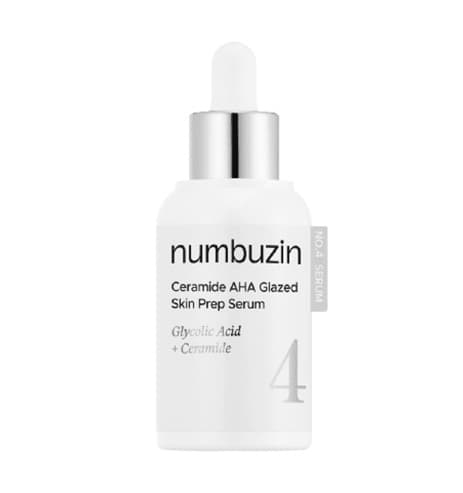
Ceramide EOP (0.0001 Ppb)
Ceramide EOP (formerly known as Ceramide 1 or Ceramide 1A) is a naturally occurring waxy sphingolipid found in the stratum corneum of the skin. It is an N-acylated sphingolipid consisting of phytosphingosine with the D-erythro structure linked to an omega-hydroxy acid esterified with a saturated or unsaturated fatty acid. It was the first ceramide identified (in 1982) and is notable for containing the essential fatty acid linoleic acid, giving it a unique structural role in the extracellular lipid matrix. Ceramides as a class make up approximately 50% of the lipids in the extracellular matrix of the stratum corneum.
Ceramide EOP helps maintain a healthy skin barrier and supports skin hydration by forming a protective, water-retaining layer in the stratum corneum. It is believed to play a "binding role" in the lipid layers of the extracellular matrix and serves as a key storage site for linoleic acid, which is important for barrier repair. Clinical studies indicate that ceramides — particularly in combination with cholesterol and fatty acids — can hydrate the skin and help repair a compromised skin barrier.
Alkaline pH (e.g., from soap use) can inhibit enzymes responsible for ceramide synthesis in the skin, potentially reducing its efficacy in formulations or on skin exposed to high-pH products.