Ceramide EOP
Ceramide EOP (formerly known as Ceramide 1 or Ceramide 1A) is a naturally occurring sphingolipid found in the stratum corneum of the skin. It is an N-acylated ceramide consisting of phytosphingosine with the D-erythro structure linked to an omega-hydroxy acid esterified with a saturated or unsaturated fatty acid. It was the first ceramide identified (in 1982) and is notable for containing the essential fatty acid linoleic acid. Ceramides as a class make up approximately 50% of the lipids in the extracellular matrix between skin cells.
Ceramide EOP plays a key role in maintaining a healthy skin barrier and keeping the skin hydrated by forming a protective, water-retaining layer in the stratum corneum. Research indicates that topically applied ceramides — especially in combination with cholesterol and fatty acids — can hydrate the skin and help repair a compromised skin barrier. Ceramide EOP specifically is believed to serve a "binding role" in the lipid layers of the extracellular matrix and acts as a primary storage site for linoleic acid, which is important for barrier repair.
Alkaline pH (e.g., from soap use) inhibits the enzymes responsible for ceramide synthesis in the skin, which can reduce the skin's natural ceramide levels and lead to dryness; this is a general ceramide consideration rather than a direct contraindication for topical use of Ceramide EOP.

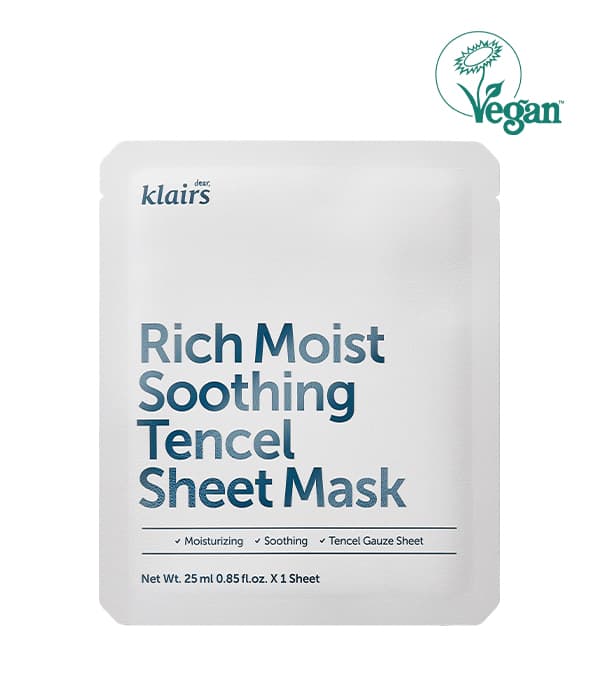

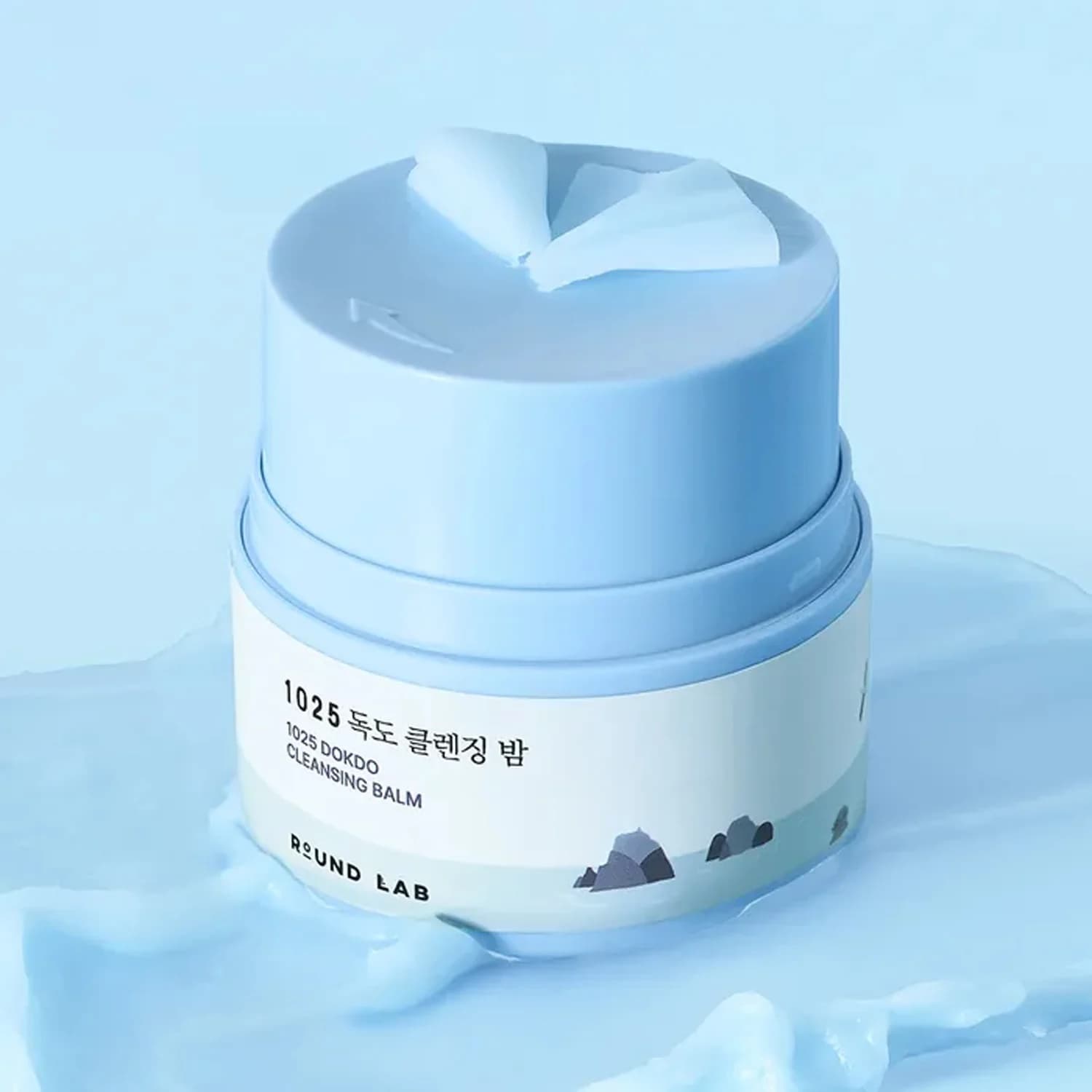

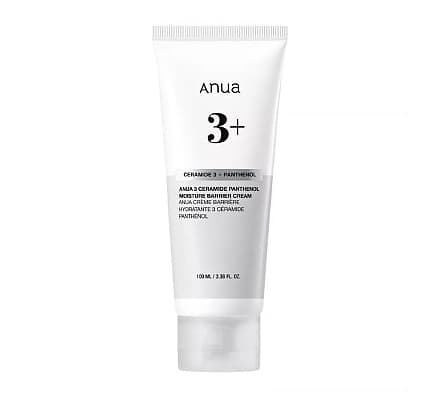


![MEDICUBE [Subscr.] Hyaluronic Ceramide Moisturizing Jelly Cream](/_next/image?url=https%3A%2F%2Fcdn.shopify.com%2Fs%2Ffiles%2F1%2F0156%2F3905%2F2336%2Ffiles%2F00_7c18b37e-aded-46bf-84a6-4a9b876fa723.jpg%3Fv%3D1765523053&w=3840&q=75)
