Arbutin
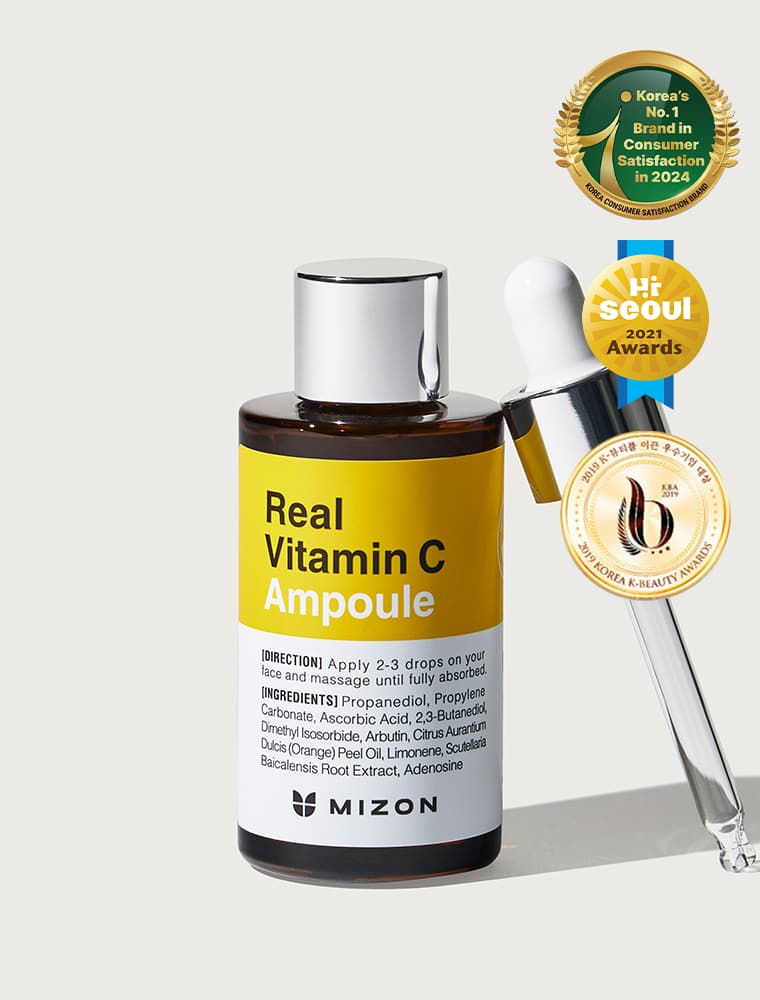
Arbutin (also called Beta-Arbutin, INCI: 4-Hydroxyphenyl-Beta-D-Glucopyranoside, CAS# 497-76-7) is a well-known skin brightening ingredient used traditionally in Japan and found naturally in plants such as pear tree leaves, wheat, and bearberry. It works by inhibiting the melanin-forming activity of the enzyme tyrosinase, rather than inhibiting tyrosinase synthesis itself. It is widely used in brightening and pigmentation-targeting cosmetic formulations.
Arbutin is primarily recognized for its ability to fade brown spots and reduce hyperpigmentation by hindering the melanin-forming activity of tyrosinase at the second step of the pigmentation process. It may be combined with direct tyrosinase inhibitors (such as vitamin C or licorice) for enhanced skin lightening effect. Its benefits are supported by journal-level evidence, including a study published in the Journal of Pharmacology and Experimental Therapeutics (1996).
The source references an SCCS Opinion (1158/08) on beta-Arbutin, which may indicate regulatory scrutiny; users should be aware of applicable concentration guidelines. No additional specific cautions (e.g., photosensitivity, interactions) are mentioned in the source.
![MEDICUBE [Subscr.] TXA Niacinamide Serum](/_next/image?url=https%3A%2F%2Fcdn.shopify.com%2Fs%2Ffiles%2F1%2F0156%2F3905%2F2336%2Ffiles%2FTXA_00.jpg%3Fv%3D1743589033&w=3840&q=75)